پہلی بار اولڈہم کپلنگز کی وضاحت کرنے والے انجینئرز کی طرف سے پوچھے جانے والے سب سے عام سوالوں میں سے ایک - یا مینٹیننس مینیجرز اسپیئر پارٹس کی انوینٹری کی منصوبہ بندی کرنے کی کوشش کر رہے ہیں - بس یہ ہے: اولڈہم کپلنگ کتنی دیر تک چلتی ہے؟ جواب حقیقی طور پر متغیر ہے، ناقص طور پر متعین یا غلط ترتیب والی تنصیبات میں چند سو گھنٹوں سے اچھی طرح سے منسلک، درست طریقے سے مخصوص درست ڈرائیوز میں 50,000 گھنٹے سے زیادہ تک پھیلا ہوا ہے۔ یہ سمجھنا کہ اس تغیر کو کیا چلاتا ہے کسی مخصوص ایپلیکیشن کے لیے سروس لائف کی درست پیشین گوئی کرنے اور اس کے مطابق دیکھ بھال کے وقفوں کی منصوبہ بندی کرنے کی کلید ہے۔
یہ مضمون عام ایپلی کیشن کی اقسام کے لیے متوقع ڈسک اور ہب سروس لائف رینجز فراہم کرتا ہے، ان عوامل کی وضاحت کرتا ہے جو انسٹالیشن کو ان رینجز کے لمبے یا چھوٹے سرے کی طرف لے جاتے ہیں، اور کمیشننگ سے پہلے سروس لائف کا تخمینہ لگانے کے لیے عملی ٹولز فراہم کرتا ہے۔
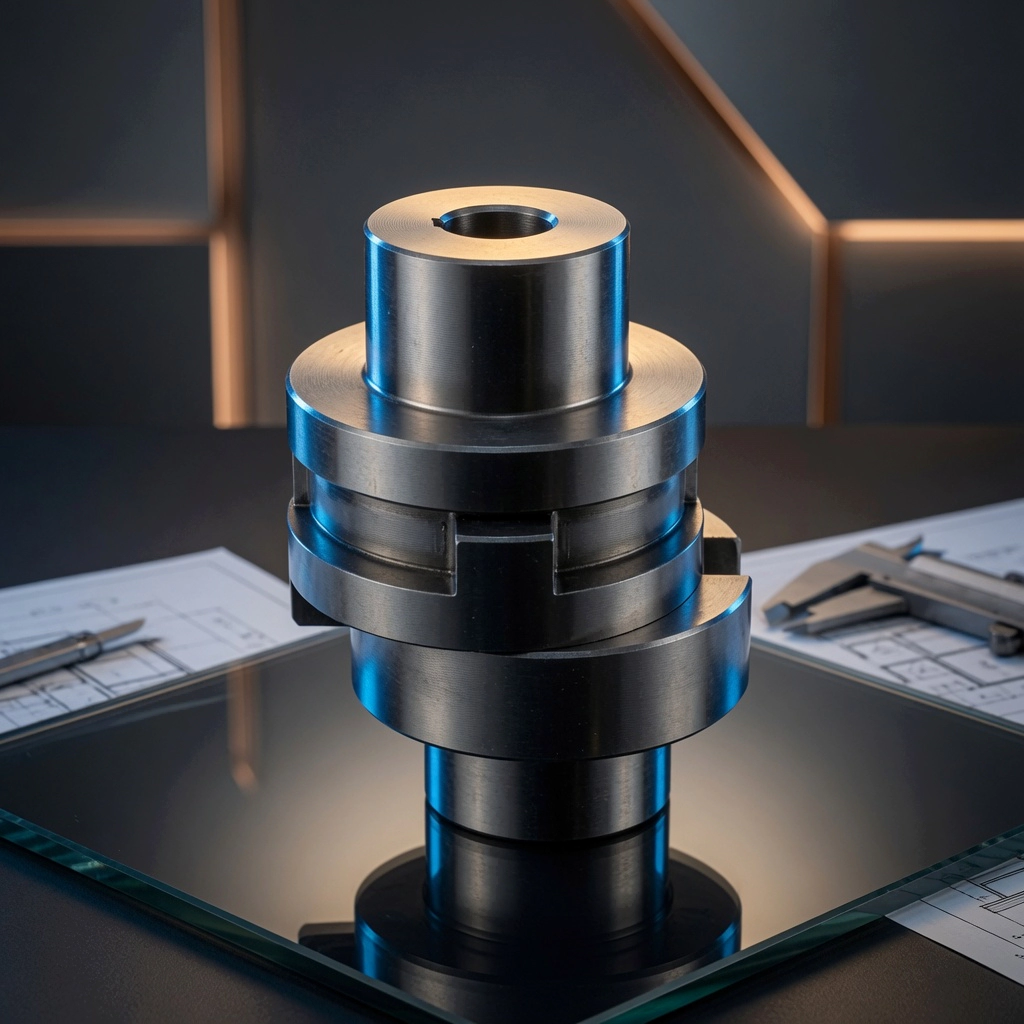
دو اجزاء، دو بہت مختلف زندگی
اولڈہم کپلنگ حبس اور سینٹر ڈسک پر مشتمل ہے، اور ان دو اجزاء کی متوقع سروس کی زندگی بہت مختلف ہے۔
حب سروس کی زندگی صحیح طریقے سے مخصوص اور نصب شدہ جوڑے میں عام حالات میں مؤثر طریقے سے غیر معینہ مدت تک ہے۔ ایلومینیم یا سٹینلیس سٹیل کے حب عام کام میں نہیں پہنتے ہیں - ڈسک جان بوجھ کر نرم ہوتی ہے اور ترجیحی طور پر سخت حب سلاٹ کی دیواروں کے خلاف پہنتی ہے۔ حب کو تبدیل کرنے کی ضرورت صرف اس صورت میں ہوتی ہے جب سلاٹس کو ڈسک کی پہننے کی حد سے آگے چل کر نقصان پہنچا ہو (دھاتی پر دھات کے رابطے کی اجازت دیتے ہوئے)، جب حب کو سلاٹ کی دیواروں کے پلاسٹک کی خرابی کے مقام تک اوورلوڈ کیا گیا ہو، یا جب حب بور کو سنکنرن یا غلط تنصیب سے نقصان پہنچا ہو۔ اچھی طرح سے برقرار رکھنے والے نظاموں میں، اسی حب کو 20 سال یا اس سے زیادہ کی مشین کی زندگی میں درجنوں ڈسک تبدیل کرنے کے چکروں کے ذریعے دوبارہ استعمال کیا جا سکتا ہے۔
ڈسک سروس کی زندگی متغیر جزو ہے جو دیکھ بھال کے وقفہ کا تعین کرتا ہے۔ ڈسک استعمال کے ذریعے آہستہ آہستہ پہنتی ہے، اور اس کی تبدیلی اولڈہم کپلنگ کے لیے بنیادی دیکھ بھال کا کام ہے۔ اس مضمون کا بقیہ حصہ ڈسک سروس کی زندگی پر توجہ مرکوز کرتا ہے، کیونکہ حب کی تبدیلی ایک معمول کی تقریب کے بجائے ایک استثناء ہے۔
درخواست کی قسم کے لحاظ سے متوقع ڈسک سروس لائف
درج ذیل رینجز معیاری محیطی درجہ حرارت (20–25°C) پر acetal (POM) ڈسک کے آپریشن پر مبنی ہیں، جوڑے کی درجہ بندی کی رفتار اور ٹارک کی حدود کے اندر، جوڑے کے زیادہ سے زیادہ درجہ بند آفسیٹ کے 30-50 فیصد پر سیدھ کے ساتھ۔ رفتار، ٹارک، یا غلط ترتیب کی بیرونی حدود پر چلنے والی ایپلیکیشنز ان حدود کے نچلے سرے کی طرف گریں گی۔ اچھی طرح سے منسلک، قدامت پسندی سے بھری ہوئی ایپلی کیشنز ان سے بڑھ جائیں گی۔
| درخواست | عام رفتار | ڈیوٹی سائیکل | متوقع ڈسک لائف |
|---|---|---|---|
| انکوڈر / حل کنکشن | 500–3,000 RPM | مسلسل | 20,000–50,000+ گھنٹے |
| سروو ایکسس، سی این سی مشین (بال سکرو) | 1,000–3,000 RPM | وقفے وقفے سے | 10,000–30,000 گھنٹے |
| سٹیپر موٹر، لیڈ سکرو ڈرائیو | 300–1,500 RPM | وقفے وقفے سے | 8,000–25,000 گھنٹے |
| پیکیجنگ مشینری امدادی محور | 1,500–4,000 RPM | قریب مسلسل | 4,000-10,000 گھنٹے |
| پمپ ڈرائیو، مسلسل ڈیوٹی | 1,000–1,500 RPM | مسلسل 24/7 | 4,000–8,000 گھنٹے |
| 3D پرنٹر Z-axis (T8 لیڈ سکرو) | 60–300 RPM | وقفے وقفے سے | مشین کی زندگی بھر (5+ سال) |
| تیز رفتار امدادی، ہائی غلط ترتیب | 3,000–6,000 RPM | مسلسل | 500-2,000 گھنٹے |
عوامل جو ڈسک سروس کی زندگی کو مختصر کرتے ہیں۔
درجہ بندی کی غلط ترتیب کے قریب یا اوپر کام کرنا: سلائیڈنگ طول و عرض کے مربع کے ساتھ ڈسک پہننے کی شرح کا پیمانہ، جو لیٹرل آفسیٹ کے براہ راست متناسب ہے۔ اپنے ریٹیڈ آفسیٹ کے 80 فیصد پر چلنے والا کپلنگ اپنی ڈسک کو 40 فیصد پر چلنے والے اسی کپلنگ سے تقریباً 3 گنا زیادہ تیزی سے پہنتا ہے۔ یہ واحد سب سے زیادہ اثر انگیز عنصر ہے جسے انجینئرز کنٹرول کر سکتے ہیں — انسٹالیشن پر شافٹ کی اچھی سیدھ پوری سروس لائف پر ڈیویڈنڈ ادا کرتی ہے۔
ہائی گردشی رفتار: سلائیڈنگ کی رفتار رفتار کے ساتھ لکیری طور پر بڑھتی ہے۔ 4,000 RPM پر چلنے والا کپلنگ اپنی ڈسک کو 2,000 RPM پر اسی کپلنگ سے دوگنا تیز پہنتا ہے، باقی سب برابر ہوتے ہیں۔ تیز رفتاری اور نمایاں غلط ترتیب کا مجموعہ ڈسک کی زندگی کے لیے سب سے زیادہ نقصان دہ حالت ہے۔
ہائی ٹرانسمیٹڈ ٹارک: زیادہ ٹارک ٹینون سلاٹ انٹرفیس پر رابطہ قوت کو بڑھاتا ہے، سلائیڈنگ فاصلے کے فی یونٹ رگڑ کے کام کو بڑھاتا ہے۔ ان کی ریٹیڈ ٹارک صلاحیت کے قریب چلنے والے کپلنگز ان کی درجہ بندی کے 50 فیصد یا اس سے کم پر ڈسک کے لباس کو تیزی سے جمع کرتے ہیں۔
بلند محیطی درجہ حرارت: زیادہ درجہ حرارت ڈسک کے مواد کی کمپریشن طاقت اور پہننے کی مزاحمت کو کم کرتا ہے۔ 25 ° C سے اوپر آپریٹنگ درجہ حرارت میں ہر 10 ° C اضافہ ایسٹل ڈسک کی سروس لائف کو تقریباً 15 سے 25 فیصد تک کم کر دیتا ہے۔ یہ اثر ڈسک کی خود پیدا ہونے والی رگڑ کی گرمی سے بڑھتا ہے — گرم ماحول میں پہلے سے گرم چلنے والی ڈسک اعتدال کی رفتار اور بوجھ پر بھی اپنے مواد کے نرم ہونے کے مقام تک پہنچ سکتی ہے۔
کونیی غلط ترتیب: زاویہ کی غلط ترتیب ہر گردش پر ٹینون کی سطحوں پر اثر لوڈنگ میں اضافہ کرتی ہے، جو کہ خالص لیٹرل آفسیٹ کی ہموار سلائیڈنگ سے کہیں زیادہ ڈسک کے مواد کے لیے نقصان دہ ہے۔ یہاں تک کہ 0.5 ڈگری زاویہ کی غلط ترتیب بھی ڈسک کی زندگی کو 50 فیصد یا اس سے زیادہ کم کر سکتی ہے جب کہ خالصتاً بعد میں غلط طریقے سے لگائی گئی تنصیب کے مقابلے میں۔
کیمیائی نمائش: کچھ کیمیکل ایسٹل اور دیگر ڈسک مواد پر حملہ کرتے ہیں، ان کی سطح کی سالمیت کو کم کرتے ہیں اور لباس کو تیز کرتے ہیں۔ کیمیائی عمل کے ماحول میں، آپریٹنگ ماحول کے ساتھ ڈسک کے مواد کی مطابقت کی تصدیق اتنا ہی اہم ہے جتنا کہ مکینیکل تفصیلات۔
عوامل جو ڈسک سروس کی زندگی کو بڑھاتے ہیں۔
عین مطابق شافٹ سیدھ: لیٹرل آفسیٹ کو 0.4 ملی میٹر سے 0.1 ملی میٹر تک کم کرنا - جو زیادہ تر تنصیبات پر دیکھ بھال کے ساتھ حاصل کیا جاسکتا ہے - ڈسک کی زندگی کو 4 سے 8 کے عنصر تک بڑھا سکتا ہے، باقی سب برابر ہیں۔ یہ سب سے زیادہ بیعانہ مداخلت دستیاب ہے اور اس کی قیمت صرف سیدھ میں لانے کا وقت ہے۔
قدامت پسند ٹارک کا سائز: ایپلی کیشن کے زیادہ سے زیادہ ٹارک (1.25 گنا کے بجائے) سے دوگنا درجہ بندی والے کپلنگ کو منتخب کرنا ٹینن کے رابطے کے دباؤ کو کم کرتا ہے اور ڈسک کی تھکاوٹ کی زندگی کو کافی حد تک بڑھاتا ہے۔ جوڑا بڑا اور مہنگا ہوتا ہے، لیکن توسیعی سروس وقفے اور ڈسک کی تبدیلی کی کم تعدد عام طور پر پیداواری ماحول میں لاگت کے فرق کو درست ثابت کرتی ہے۔
اپ گریڈ شدہ ڈسک مواد: PEEK ڈسک ایک ہی ایپلی کیشن میں ایک ایسیٹل ڈسک کے طور پر — ایک ہی رفتار، ٹارک، اور غلط ترتیب — PEEK کی زیادہ دبانے والی طاقت اور تھرمل استحکام کی وجہ سے عام طور پر 2 سے 4 گنا زیادہ چلتی ہے۔ اعلی قیمت والی مشینوں کے لیے جہاں غیر منصوبہ بند ڈسک کی تبدیلی خلل ڈالتی ہے، PEEK ڈسک کی پریمیم قیمت ایک اچھی سرمایہ کاری ہے۔
کم رفتار پر کام کرنا: اگر ایپلی کیشن کی رکاوٹیں رفتار کو کم کرنے کی اجازت دیتی ہیں - مثال کے طور پر، ایک گیئر باکس کا استعمال کرتے ہوئے سست رفتار بوجھ کو کم جوڑے کی رفتار پر چلانے کے بجائے اسے براہ راست موٹر کی رفتار سے چلانے کے لیے - سلائیڈنگ کی رفتار میں کمی ڈرامائی طور پر ڈسک کی زندگی کو بڑھا دیتی ہے۔
ٹھنڈا آپریٹنگ ماحول: کپلنگ کے ارد گرد اچھی وینٹیلیشن، یا اعلی محیطی ماحول میں مشین کے انکلوژر کی فعال کولنگ، ڈسک کے درجہ حرارت کو مواد کی نرمی کی حد سے نیچے رکھتی ہے اور سروس کے وقفے کے دوران اس کی میکانکی خصوصیات کو محفوظ رکھتی ہے۔
کمیشننگ سے پہلے سروس لائف کا تخمینہ لگانا
ایک نئی تنصیب کے لیے جہاں ڈسک کی تبدیلی کا کوئی تاریخی ڈیٹا موجود نہیں ہے، ابتدائی دیکھ بھال کے وقفہ کا تخمینہ لگانے کے لیے درج ذیل طریقہ استعمال کریں:
مرحلہ 1: سب سے زیادہ مطلوبہ آپریٹنگ حالت کی شناخت کریں — رفتار، ٹارک، اور غلط ترتیب کا مجموعہ جو آپریٹنگ وقت کے سب سے بڑے حصے کے لیے لاگو ہوگا۔ بنیادی حساب کے لیے ان اقدار کا استعمال کریں، نہ کہ بدترین کیس کی چوٹیوں کو۔
مرحلہ 2: مخصوص کپلنگ اور ڈسک مواد کے لیے مینوفیکچرر کے ڈیریٹنگ چارٹ یا درخواست کی رہنمائی سے مشورہ کریں۔ چارٹ میں رفتار اور غلط ترتیب کا امتزاج تلاش کریں اور اس آپریٹنگ پوائنٹ پر ریٹیڈ سروس لائف کو نوٹ کریں۔
مرحلہ 3: محیطی درجہ حرارت کے لیے اصلاحی عوامل کا اطلاق کریں (25°C سے اوپر 15–25% فی 10°C کو کم کریں)، ٹارک کی سطح (20% تک کم کریں اگر درجہ بندی شدہ ٹارک کے 70% سے اوپر کام کر رہے ہیں)، اور کونیی غلط ترتیب (30–50% سے کم کریں اگر غلطی ہو تو 30–50% سے کم کریں)۔
مرحلہ 4: ابتدائی معائنے کا وقفہ تخمینہ شدہ زندگی کے 50 فیصد پر سیٹ کریں، اس مقام پر ردعمل کی پیمائش کریں، اور بعد کے چکروں کے لیے متبادل وقفہ کیلیبریٹ کرنے کے لیے نتیجہ کا استعمال کریں۔
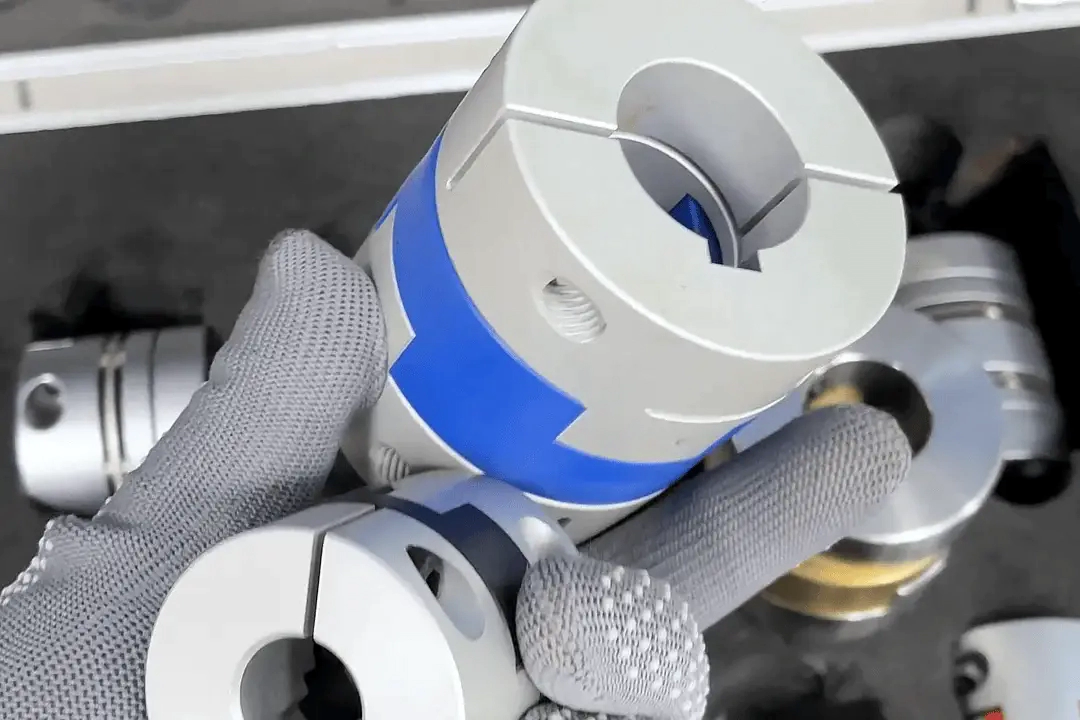
حب کی تبدیلی: کب اور کیوں
اگرچہ اچھی طرح سے برقرار رکھنے والے نظاموں میں حب کی تبدیلی غیر معمولی ہے، لیکن یہ درج ذیل حالات میں ضروری ہے:
- ہب سلاٹس نظر آنے والی گولنگ، اسکورنگ، یا پہنتے ہیں - عام طور پر ڈسک کو اس کے پہننے کی حد سے آگے چلانے کی وجہ سے ہوتا ہے جب تک کہ دھات پر دھات کا رابطہ نہ ہو جائے۔
- ہب بور جھنجھوڑنے والی سنکنرن یا مکینیکل نقصان کو ظاہر کرتا ہے جو محفوظ، مرتکز شافٹ گرفت کو روکتا ہے۔
- حب باڈی کو اوورلوڈ کی وجہ سے بگاڑ دیا گیا ہے - کلیمپ ہب کے کلیمپ سیکشن کے ذریعے شگاف کے طور پر نظر آتا ہے، یا مسخ شدہ سلاٹ پروفائل
- حب کا مواد اب بدلے ہوئے آپریٹنگ ماحول کے لیے موزوں نہیں ہے — مثال کے طور پر، جب ایپلیکیشن واش ڈاون ماحول میں منتقل ہوتی ہے تو ایلومینیم ہب کو سٹینلیس سٹیل سے تبدیل کیا جاتا ہے۔
جب حبس کو تبدیل کیا جاتا ہے، تو پچھلی حب کی تنصیب سے ہونے والے نقصان کے لیے شافٹ کی سطحوں کا معائنہ کرنے کا موقع لیں۔ ہب بور زون میں جھڑتے نشانات، سیٹ اسکرو انڈینٹ، یا سنکنرن کو دور کیا جانا چاہئے — یا تو شافٹ کی سطح کو دوبارہ مشینی کرکے یا کلیمپ ہب اسٹائل پر سوئچ کرکے جو سطح کے یہ حالات پیدا نہیں کرتا ہے۔
نتیجہ
اولڈہم کپلنگ کی سروس لائف ایک بہت بڑا رینج پر محیط ہے — ایک سال سے کم عرصے تک مسلسل ڈیوٹی ایپلی کیشنز کا مطالبہ کرنے کے لیے لائٹ لوڈ، کم رفتار والی تنصیبات میں مؤثر طریقے سے غیر معینہ مدت تک۔ ڈسک کی زندگی کا تعین رفتار، غلط ترتیب، ٹارک، درجہ حرارت اور مواد کے تعامل سے ہوتا ہے، اور یہ سب مشین کے شروع ہونے سے پہلے کیے گئے تفصیلات اور تنصیب کے فیصلوں سے متاثر ہو سکتے ہیں۔ مرکز، مناسب طریقے سے نصب اور دیکھ بھال، خود مشین کو ختم کر دے گا۔ دیکھ بھال کے وقفوں کی منصوبہ بندی عام اصول کی بجائے درخواست کی شرائط کی بنیاد پر کرنا، اور بعد کے وقفوں کو کیلیبریٹ کرنے کے لیے پہلے متبادل سائیکل کا استعمال، بحالی ٹیموں کو وہ معلومات فراہم کرتا ہے جو انہیں رکھنے کی ضرورت ہوتی ہے۔ اولڈہم کپلنگ ڈسک کی تبدیلی منصوبہ بند، قابل پیشن گوئی، اور موثر — غیر منصوبہ بند ڈاون ٹائم کو ختم کرنا جو اس وقت ہوتا ہے جب ڈسک کے لباس کو بغیر نگرانی کے چھوڑ دیا جاتا ہے۔
ہمارے براؤز کریں اولڈھم کپلنگ اور متبادل ڈسک کی حد، یا ہماری انجینئرنگ ٹیم سے رابطہ کریں۔ آپ کی درخواست کے لیے مخصوص سروس لائف تخمینہ امداد کے لیے۔