Product Description
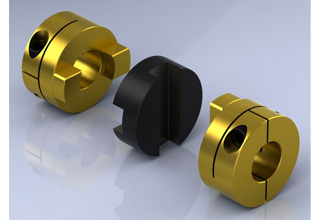
| Product Name | Oldham coupling |
| Material | Aluminum |
| Type | OC16-63 |
| Structure | Setscrew and Clamp |
| Bore size | 3-30mm |
| Weight | 7-450 g/pcs |
| packing | plastic bag +paper box +wooden box +wooden pallet |
1. Engineering: machine tools, foundry equipments, conveyors, compressors, painting systems, etc.
2. Pharmaceuticals& Food Processing: pulp mill blowers, conveyor in warehouse, agitators, grain, boiler, bakery machine, labeling machine, robots, etc.
3. Agriculture Industries: cultivator, rice winnower tractor, harvester, rice planter, farm equipment, etc.
4. Texitile Mills: looms, spinning, wrappers, high-speed auto looms, processing machine, twister, carding machine, ruler calendar machine, high speed winder, etc.
5. Printing Machinery: newspaper press, rotary machine, screen printer machine, linotype machine offset printer, etc.
6. Paper Industries: chipper roll grinder, cut off saw, edgers, flotation cell and chips saws, etc.
7. Building Construction Machinery: buffers, elevator floor polisher mixing machine, vibrator, hoists, crusher, etc.
8. Office Equipments: typewriter, plotters, camera, money drive, money sorting machine, data storage equipment, etc.
9. Glass and Plastic Industries: conveyor, carton sealers, grinders, creeper paper manufacturing machine, lintec backing, etc.
10. Home Appliances: vacuum cleaner, laundry machine, icecream machine, sewing machine, kitchen equipments, etc.

What are the Potential Limitations or Drawbacks of Using an Oldham Coupling?
While Oldham couplings offer numerous advantages, they also have some limitations and drawbacks that should be considered when selecting a coupling for a specific application:
1. Limited Misalignment Capacity: Oldham couplings can only accommodate small amounts of angular and axial misalignment between the shafts. They are not suitable for applications with high levels of misalignment as excessive misalignment can lead to premature wear and failure of the center disc.
2. Speed Limitations: Oldham couplings are generally not recommended for high-speed applications. The flexible center disc has a maximum speed limit, and exceeding this limit can cause the disc to fatigue and fail over time.
3. Temperature Sensitivity: The performance of Oldham couplings can be affected by temperature fluctuations. Extreme temperatures can impact the flexibility and integrity of the center disc material, leading to reduced coupling performance.
4. Backlash in High-Precision Systems: While Oldham couplings minimize backlash compared to some other couplings, they may still have some inherent clearance between the hubs and the center disc, leading to a slight amount of backlash. In ultra-high-precision systems, this slight backlash may be a concern.
5. Material Compatibility: The material used for the center disc must be chosen carefully to ensure compatibility with the specific application’s environment and the media being conveyed. Some aggressive chemicals or harsh environments may degrade the material over time.
6. Maintenance: Oldham couplings require periodic inspection and maintenance to ensure proper functioning. The center disc may wear out over time and need replacement, especially in applications with high torque or frequent start-stop cycles.
Despite these limitations, Oldham couplings remain a popular choice in many applications due to their vibration reduction, backlash minimization, and moderate misalignment compensation capabilities. However, it is essential to carefully assess the specific requirements of the application and consider the potential drawbacks before selecting an Oldham coupling.

How do Temperature and Environmental Conditions Affect the Performance of an Oldham Coupling?
The performance of an Oldham coupling can be influenced by temperature and environmental conditions. The choice of materials used in the coupling’s construction plays a vital role in determining its suitability for specific operating environments. Here are some factors to consider:
Temperature: Extreme temperatures can affect the material properties of the Oldham coupling components. High temperatures can lead to thermal expansion, which might cause changes in the coupling’s dimensions and interfere with its performance. In contrast, low temperatures can make materials more brittle, reducing the coupling’s ability to withstand torque and misalignment. It is essential to select materials that can operate effectively within the temperature range of the intended application.
Corrosive Environments: In corrosive environments, such as chemical processing plants or marine applications, it is crucial to use materials that are resistant to corrosion. Stainless steel and other corrosion-resistant alloys are commonly used in such conditions to ensure the longevity and reliability of the Oldham coupling.
Dust and Contaminants: Dust, dirt, and other contaminants can accumulate on the coupling’s moving parts, leading to increased wear and reduced performance. Regular cleaning and maintenance are essential in environments where dust and contaminants are prevalent.
Humidity and Moisture: High humidity or moisture can lead to the formation of rust or corrosion on metal components. For applications in such environments, it is essential to use materials with proper corrosion resistance or consider protective coatings.
Shock and Vibration: In applications where the coupling is subjected to high levels of shock and vibration, it is essential to ensure that the coupling’s design and materials can withstand these dynamic forces without premature failure.
Proper selection of materials and regular maintenance can help mitigate the impact of temperature and environmental conditions on the performance of an Oldham coupling. Additionally, consulting with coupling manufacturers or engineering experts can provide valuable insights into choosing the most suitable coupling for specific operating conditions.
Advantages of Using an Oldham Coupling Compared to Other Types of Couplings
An Oldham coupling offers several advantages over other types of couplings, making it a preferred choice in certain applications:
- Misalignment Compensation: The Oldham coupling can handle both angular and axial misalignments between shafts. It allows for up to a few degrees of misalignment while transmitting torque smoothly, reducing the risk of premature wear and failure caused by misalignment.
- No Backlash: Unlike some other flexible couplings, the Oldham coupling has minimal backlash. This means there is little to no play or clearance between the coupling components during rotation, ensuring precise torque transmission and positioning in high-precision applications.
- Vibration and Noise Damping: The sliding action of the middle block in the coupling helps to isolate the shafts from each other, reducing vibrations and noise during operation. This feature is beneficial in applications where vibration dampening is critical to equipment performance and longevity.
- High Torque Transmission: Oldham couplings can handle relatively high torque transmission, making them suitable for applications with moderate to high torque requirements.
- Low Maintenance: Due to its design, the Oldham coupling experiences minimal wear during operation, leading to lower maintenance requirements and longer service life.
- Easy Installation: Oldham couplings are relatively easy to install and remove, simplifying maintenance and replacement procedures.
- Electrically Insulating: Some Oldham couplings are available with non-conductive materials, providing electrical isolation between shafts, which is essential in certain applications.
- Cost-Effective: Compared to other high-performance couplings, Oldham couplings are often more cost-effective, providing reliable performance without breaking the budget.
Overall, the Oldham coupling is an excellent choice in applications where misalignment compensation, precision torque transmission, vibration dampening, and low maintenance are critical factors for successful operation. Its unique design and features make it suitable for various industrial and automation systems, contributing to smoother and more efficient mechanical power transmission.


editor by CX 2023-10-12